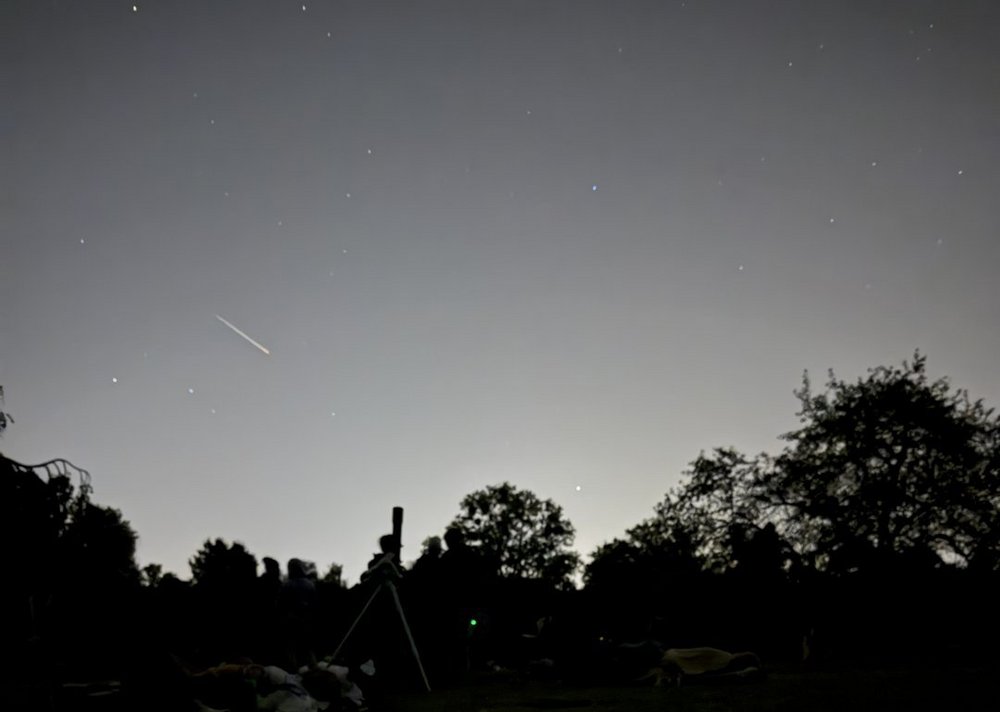
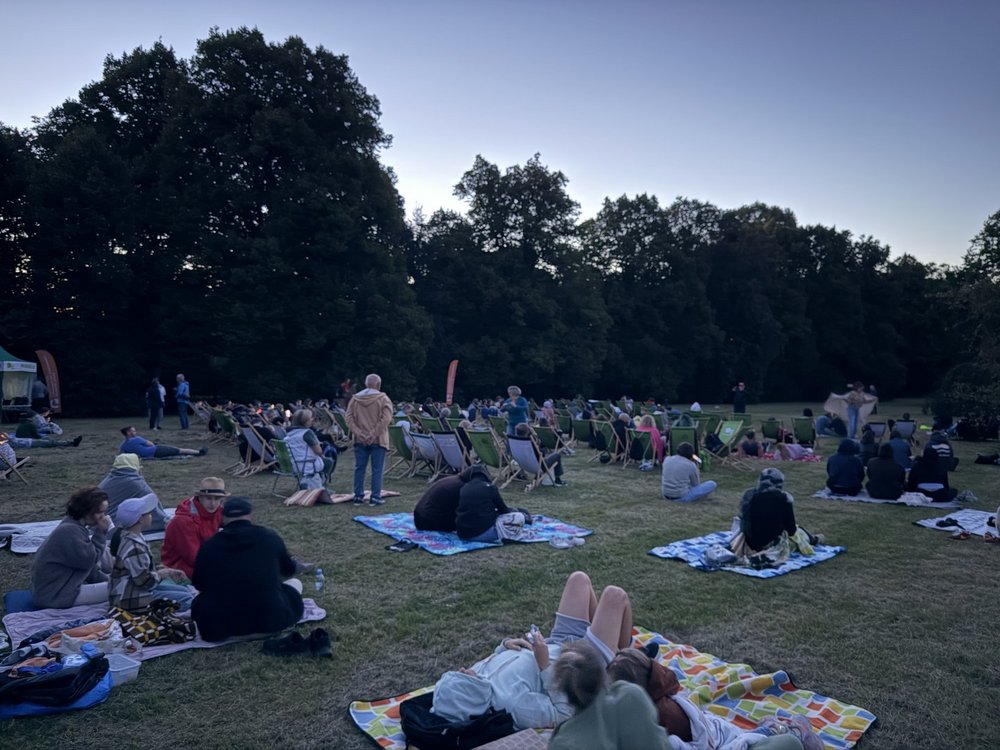
The Perseids occur when the Earth passes through a cloud of particles left behind by Comet 109P/Swift-Tuttle. These tiny fragments enter the Earth's atmosphere at a speed of around 59 km/s and heat up rapidly, creating bright streaks of light visible in the night sky.
Although they are commonly referred to as “falling stars”, they have nothing to do with stars. They are meteors, produced by the burning and ionisation of matter in the atmosphere when cosmic particles enter the Earth's atmosphere.
The meteor shower takes its name from the constellation Perseus. It is in this area of the sky that the so-called radiant is located, the point from which, from the perspective of an observer on Earth, the meteors appear to spread outwards.
This year’s observations were also favoured by excellent conditions. The sky was cloudless, while the Moon was in its new moon phase and set almost simultaneously with the Sun. As a result, its light did not brighten the night sky.
What is more, on the same day, a partial solar eclipse was visible in Poland. One day, two extraordinary astronomical phenomena, and one sky that provided us with truly remarkable experiences.
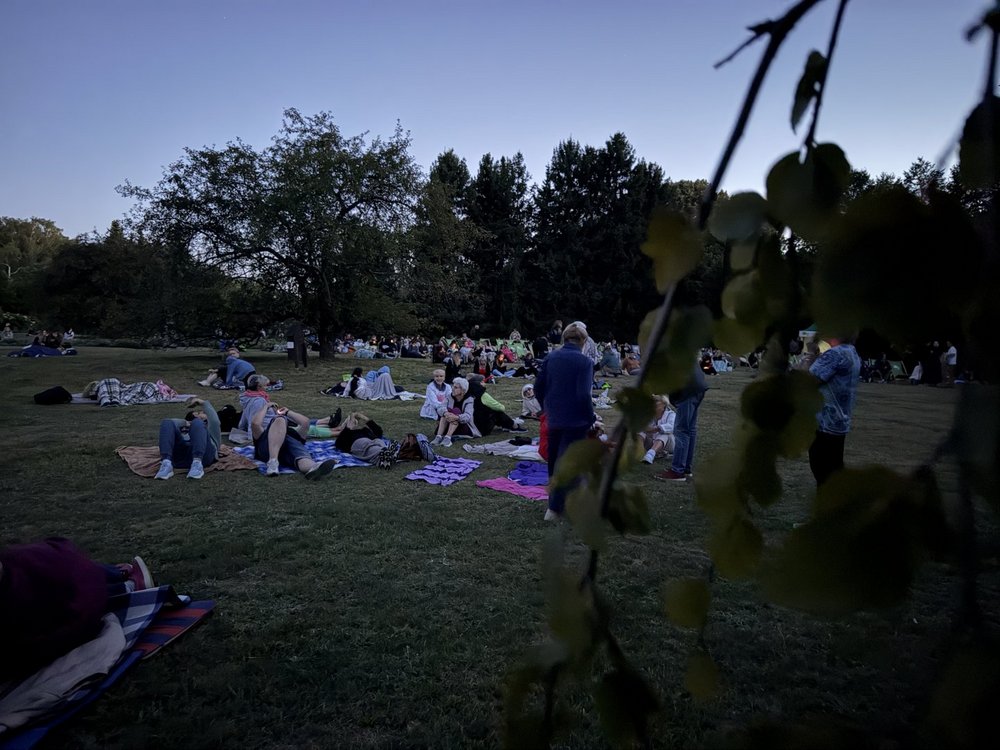
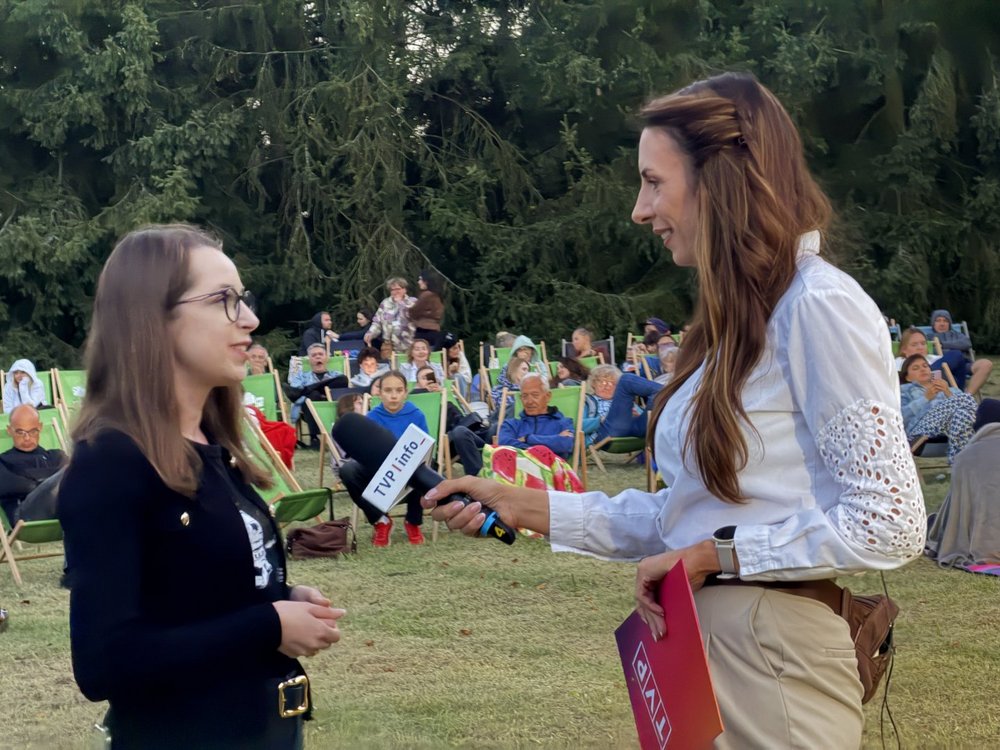
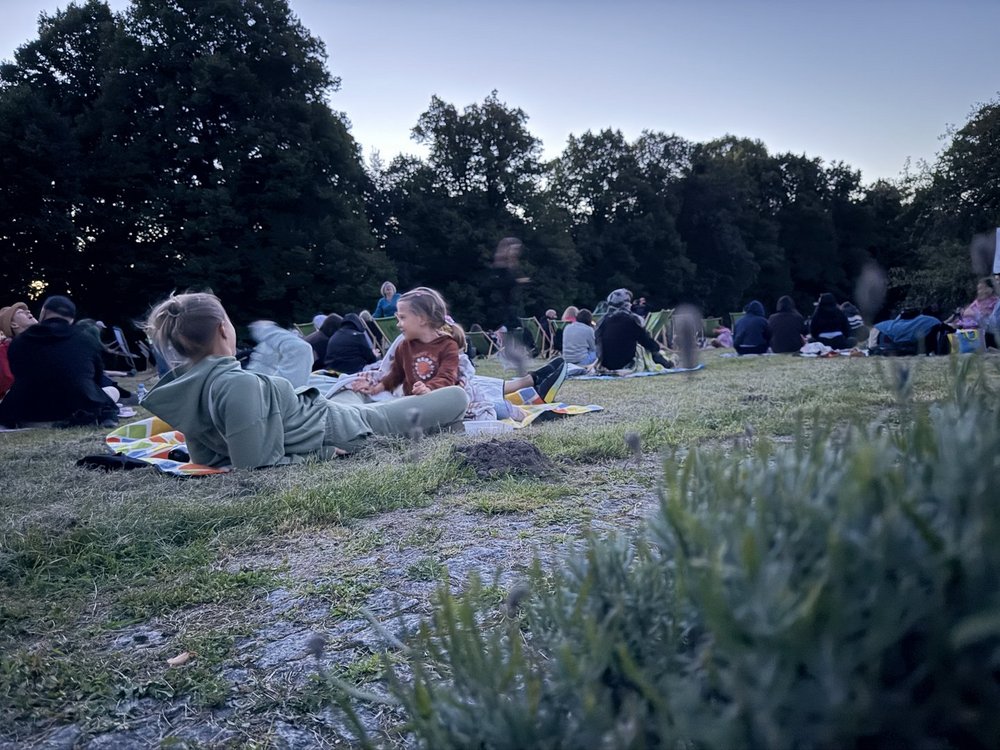
During the event, participants not only had the opportunity to observe the Perseids but also to learn more about meteors, comets and the phenomena taking place in the Earth's atmosphere.
One glance at the sky is enough to realise that the Universe is capable of putting on a truly spectacular show.